


What is a rectifier? A rectifier is an AC to DC power conversion device. Learn about telecom rectifier modules, 48V / 110V DC rectifier systems, working principle, key features and applications for base station, telecom room and power substation.
A rectifier is a power electronic device that converts alternating current (AC) from the utility grid into stable direct current (DC). This conversion process is called rectification. Since most critical industrial and telecommunication equipment runs on regulated DC power rather than fluctuating AC mains, rectifiers become the core building block of DC power plants for telecom networks, power substations and industrial control systems.
While simple rectifier circuits can be found in consumer adapters, the modular high-frequency rectifier widely used in BTS, communication central offices and substations is known as a telecom rectifier module or power rectifier unit. It delivers tightly controlled, ripple-free DC voltage for 24/7 continuous operation.
Modern telecom rectifiers adopt high-frequency switching topology, different from old low-frequency silicon rectifiers.
AC input (220VAC / 110VAC) enters the rectifier module;
Power factor correction and high-frequency rectification convert AC into raw DC;
Voltage regulation and filtering produce stable, fixed DC output, commonly 48V DC or 110V DC;
The rectifier also works as a battery charger, floating charging the backup battery bank simultaneously;
Multiple rectifier modules run in parallel with N+1 redundancy. If one module fails, the rest share the load without power interruption.
Most rack-mount rectifier systems integrate a monitoring controller, supporting SNMP, RS485, dry contact alarm and remote monitoring for centralized management in telecom machine rooms and substation control rooms.
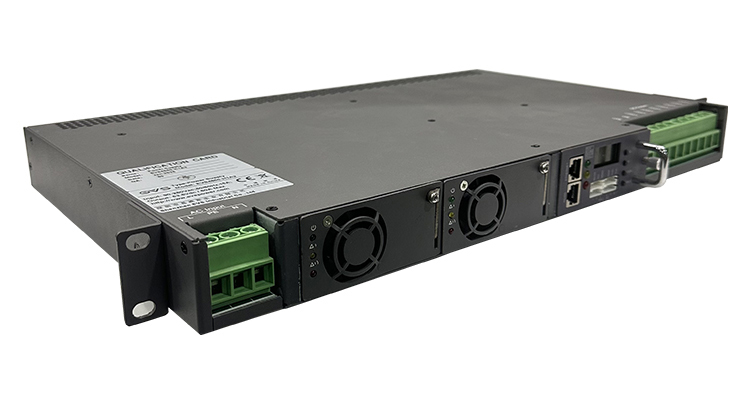
For telecom and power utility projects, two voltage grades dominate the market:
48V telecom rectifier: The standard power supply for 5G base stations, microwave stations, optical transmission equipment, routers and switches. Widely used in Brazil, India and global telecom operator networks. Hot swap 48V rectifier modules are the most popular option for outdoor BTS cabinets and 19-inch racks.
110V DC rectifier: Mainly deployed for power substation and railway communication systems. 110V rectifier systems supply DC power for relay protection, circuit breaker control, SCADA and telecontrol devices in high-voltage substations. We also supply 110V rectifier solutions for indoor telecom central office power plants.
Based on design style, rectifiers can be sorted into hot swappable rectifier modules and integrated DC screen charger units. Hot-swap design allows engineers to replace a faulty rectifier online without shutting down the whole DC power system, greatly reducing maintenance downtime.
When buyers source rectifier modules for telecommunication or substation projects, these specifications are the top concerns:
✅ High efficiency up to 95%+, reducing electricity cost for long-running sites
✅ N+1 parallel redundant design for uninterrupted power supply
✅ Hot swap function for fast on-site maintenance
✅ Built-in protection: over-voltage, over-current, short circuit, over temperature protection
✅ Intelligent monitoring: SNMP, RS485, LCD local display, remote alarm
✅ Wide AC input range, stable performance under unstable grid conditions
✅ 19-inch rack mount, compatible with standard telecom cabinets
Telecom base station (BTS): 48V rectifier for radio units, baseband and backup battery charging
Telecom central office / communication machine room: 48V and 110V DC power plant for transmission and core network equipment
Power substation: 110V rectifier DC screen for relay protection, GIS, circuit breaker operating power
Railway communication sites: stable 110V DC rectifier for trackside signaling and communication
Outdoor telecom cabinet: compact hot swap rectifier for remote tower sites without air conditioning
Rectifiers often work together with DC distribution units, DC-DC converters (48V to 24V, 24V to 48V, 48V to 48V isolated converter) to build a complete telecom power system. If you need AC backup, you can match it with telecom pure sine wave inverter separately.
A rectifier converts AC to DC. An inverter performs the opposite conversion: DC to AC. They are separate power conversion units in a telecom backup power system.
Yes. Modern telecom rectifier modules support current sharing and parallel operation. N+1 redundancy is standard design for critical sites.
48V rectifier is mainly for mobile telecom and communication transmission. 110V DC rectifier is the mainstream standard for power substations, relay protection and railway communication power supply.
Reliable rectifier modules are the heart of any DC power infrastructure for telecom and power utility. Whether you need a 48V hot swap rectifier for BTS tower, a 110V rectifier system for substation automation, or a customized rack DC power plant, we provide factory wholesale telecom rectifier solutions for Brazil, India and global engineering buyers. Contact us for datasheet and quotation.